Cromer Pier Ghosts part 3

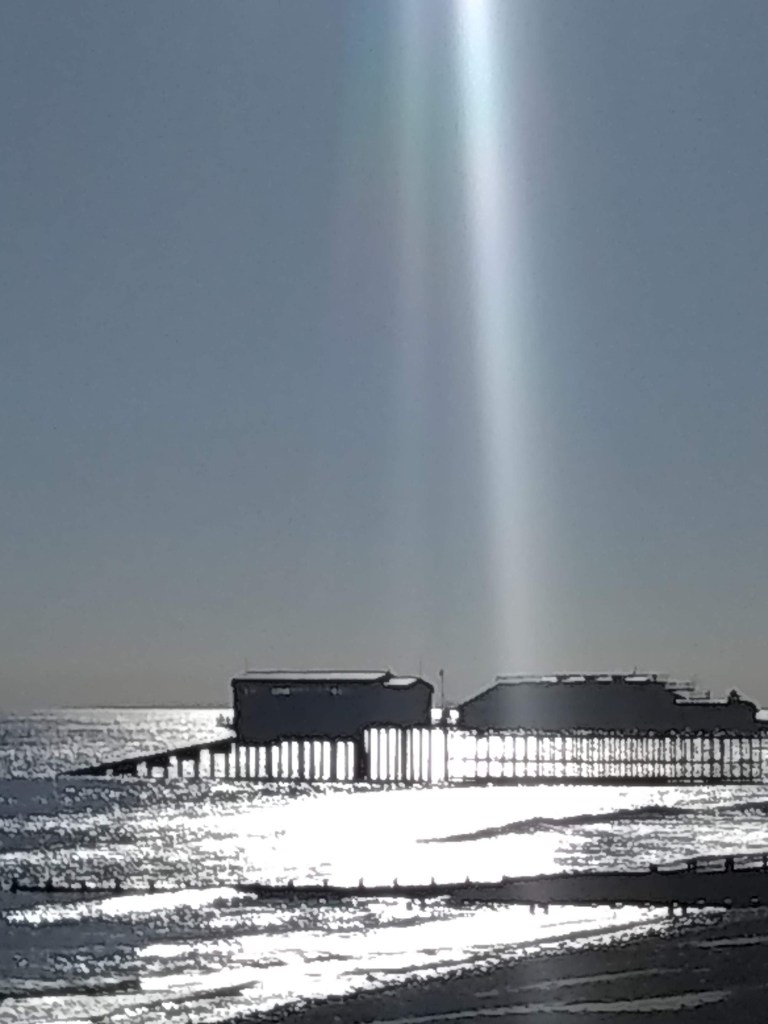
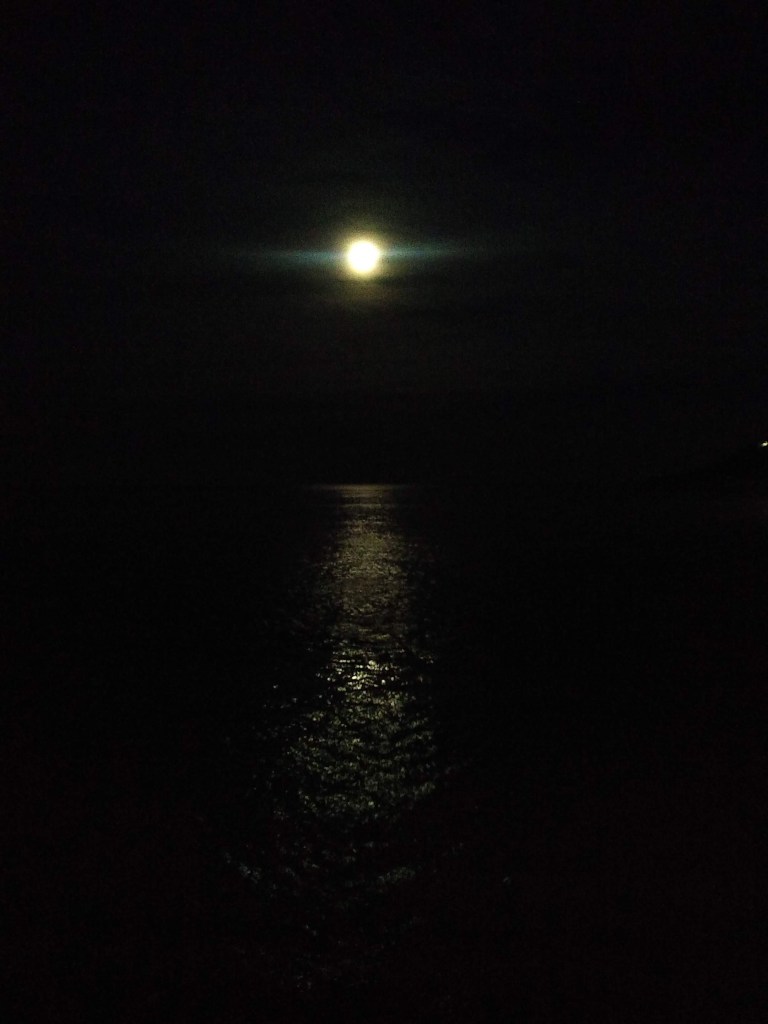
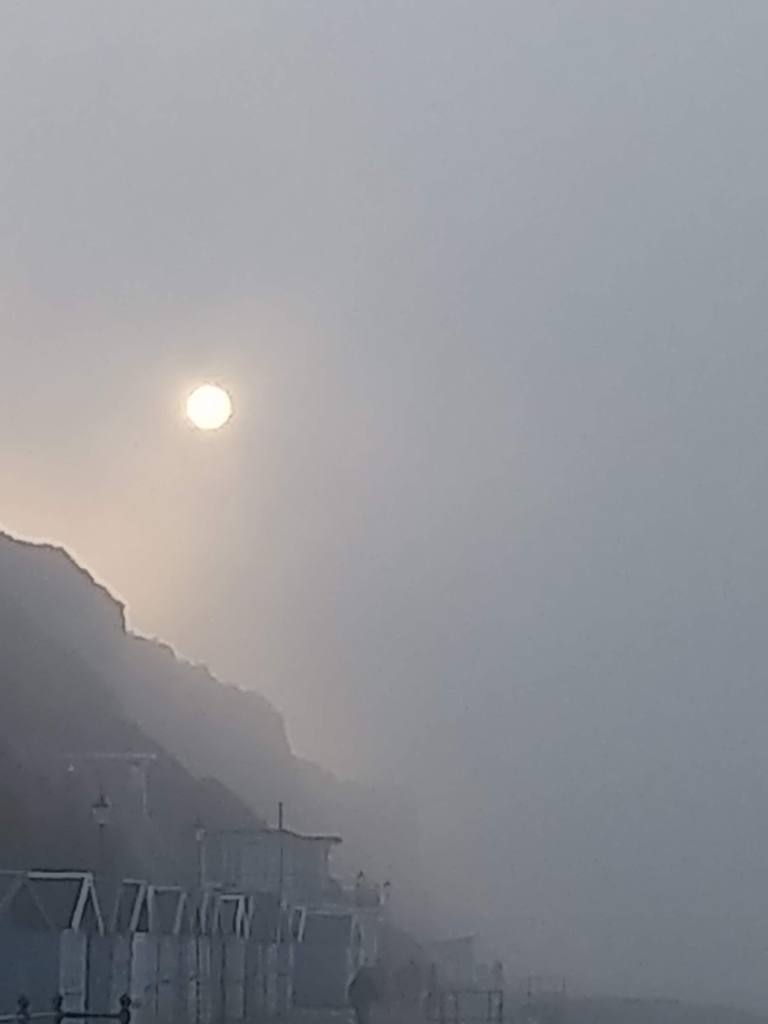
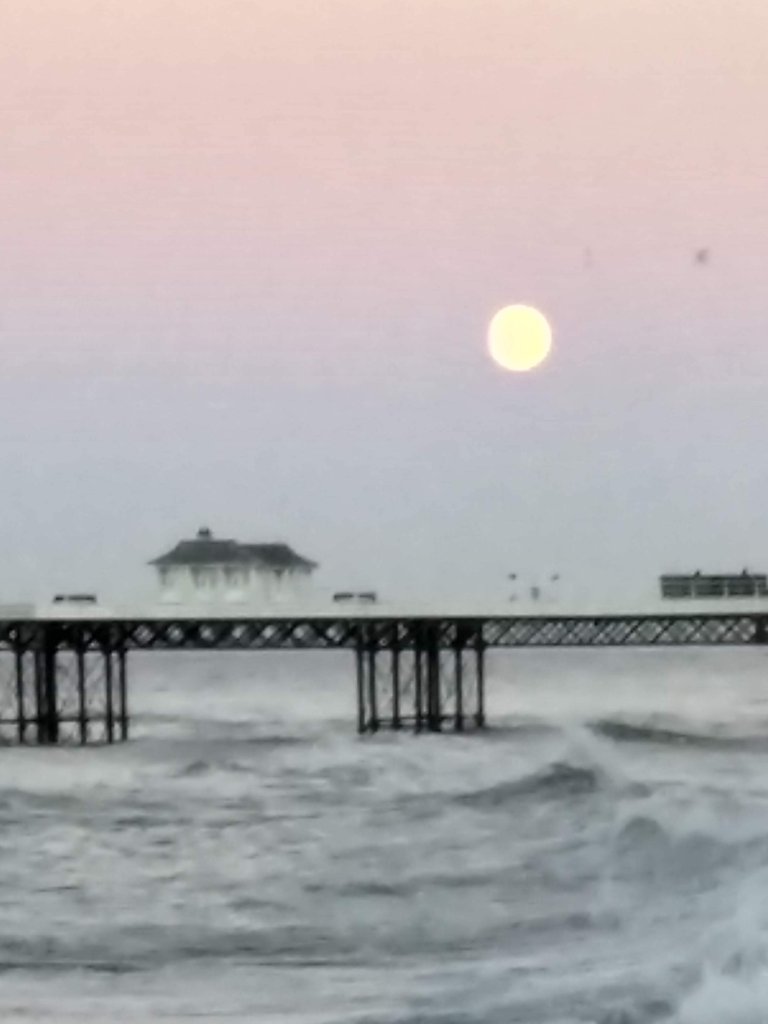
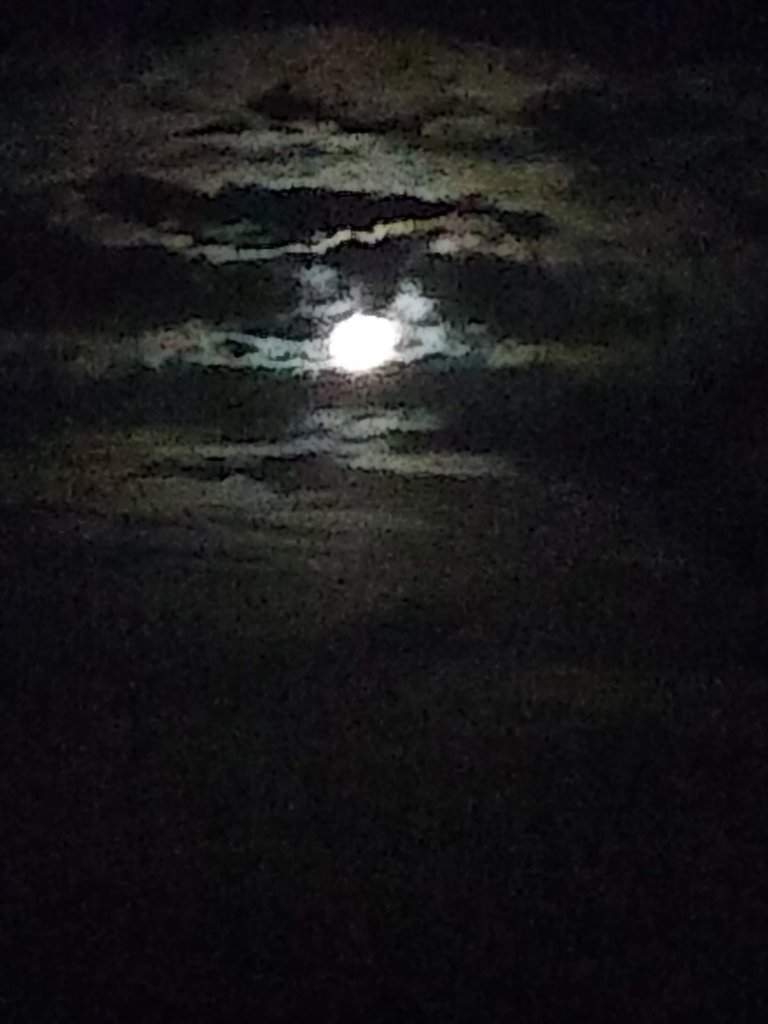
Full moon over Cromer Pier

It’s fascinating to look at the pictures in Cromer Museum of the packed crowds on Cromer pier, lining the slopes and promenade, peering over into the waves. The only difference defining the separation of centuries, being the Victorian fashions. And it is somehow reassuring to think of them mesmerised by the same glorious sun rising and setting from this very pier. The certainty is comforting but the repeating patterns of human behaviour, a little uncanny.
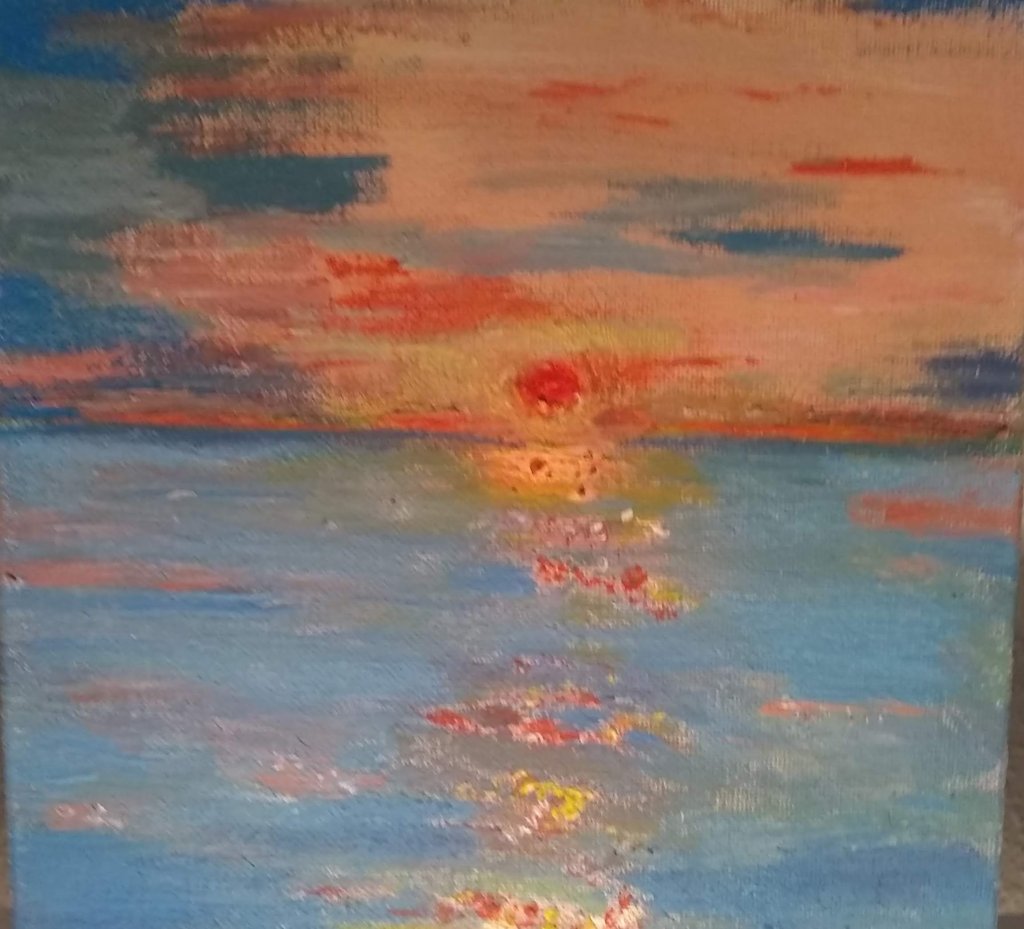
Once or twice , whilst taking a promenade upon the pier, I have overheard a child speak of their fear of walking above the waves, suspended as it seems, between sea and sky. Their vulnerabilty wrongly scoffed at by the adults ‘in charge’. The children are right to be afraid. Perhaps foolishly, many adults (myself included) have dodged the powerful waves plummeting over the promenade, to stand on the pier in the centre of a storm to enjoy the thrill of the sublime, in awe, soaked to the skin on the shaking pier. But the child’s intuitive fear may recognise the fragility of the pier against these tidal surges. Time after time this pier has been rebuilt. It first existed as more of a jetty in 1392 and throughout the following centuries to this day, is has been battered, destroyed and rebuilt. A symbol perhaps of hopeful human endeavour.
Perhaps there are other reasons for the child’s instictive shivers. From these layers of history, ghosts are said to abound drifting over these wooden planks. Mediums, paranormal investigation teams and the TV crew of ‘Most Haunted’ have been hypnotised by the pull of Cromer Pier. Medieval men soullessly searching for their lost home of Shipden; ghostly lifeboat men -their committment to the rescue imprinted on this place forever and beneath the pier, along the sea’s edge,the legendary Black Shuck, orphaned from his drowned master, growling ferociously, preventing swimming children from returning to the shore and instead ensuring they rest in a watery grave.
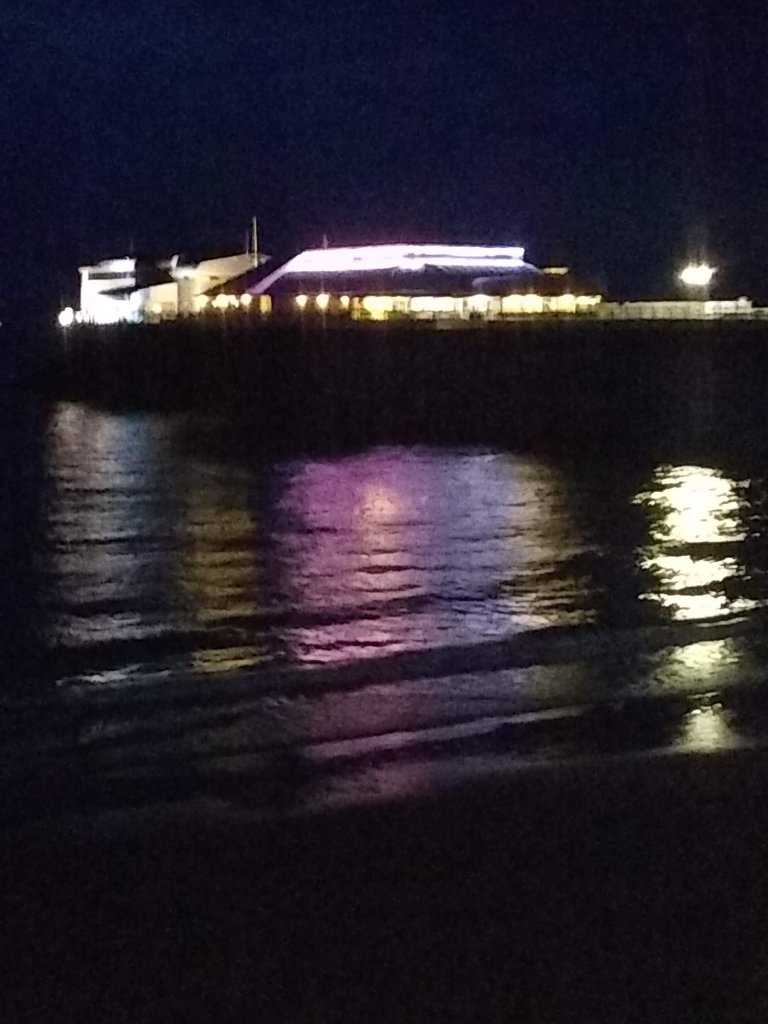
The pier is illuminated at night – from a distance,a starry walkway across the waves. It is eerie indeed, when dashing towards the pavillion, often bowed right over against the force of the wind, through the ink splodge skies- the waves roaring all around you – as you head for showtime at the end of the pier, out at sea.The legendary Irish impressario Dick Corden is said to still tred the board with his ghostly step; his laughter haunting the corridors. Regular reports come from bar staff of glasses being propelled from the shelves by poltergiests. But perhaps most disturbing, is the presence of Elizabeth. She met a grisly death murdered on stage and became a trapped sorrowful soul doomed to haunt the stage for evermore.
One evening, after the show had finished, I left the theatre to be met with a dark silence – Cromer had been locked down – curtains drawn, lights out, bars closed and shuttered against the rampage of unwanted visitors who had descended, terrorised the town and departed. It was as if time had stood still, walking back through those suspended streets, and as if my footsteps too, were leaving their own ghostly trail.
Cromer Ghosts and Times Past part 2

Moving to North Norfolk, I agonised over purchasing a property inside the coastal erosion zone, fighting the romanticism of being on the edge, near enough to hear the sea’s roar whilst lying safe and snug in my bed. Only briefly was I a victim of nostalgia, having explored the North Norfolk coastline and witnessed the vulnerability of life on the raw edge of time. Finally commonsense prevailed -the thought of selling a property with a sea view as I myself begin to crumble into a ruin, was the decider. Seems I was wise. If you’re on the wrong side of the road further up the coast from Cromer, mortgages are sometimes hard to get and smart large detached Victorian properties teeter on the brink -the ‘For Sale’ sign pasted over with ‘For Let’.

Cromer

Coastal erosion is of course nothing new and my own ‘brief candle’ of existence is put into perspective when you take the long view of this changing coastline over time. Back in the day, Cromer used to be inland but now only one medieval property remains in the town -itself hidden behind layers of facades from later centuries. The remains of Shipden, the medieval village that used to face outwards across the North sea, is now home to the crabs and the lobsters 40ft beneath the crest of the waves.

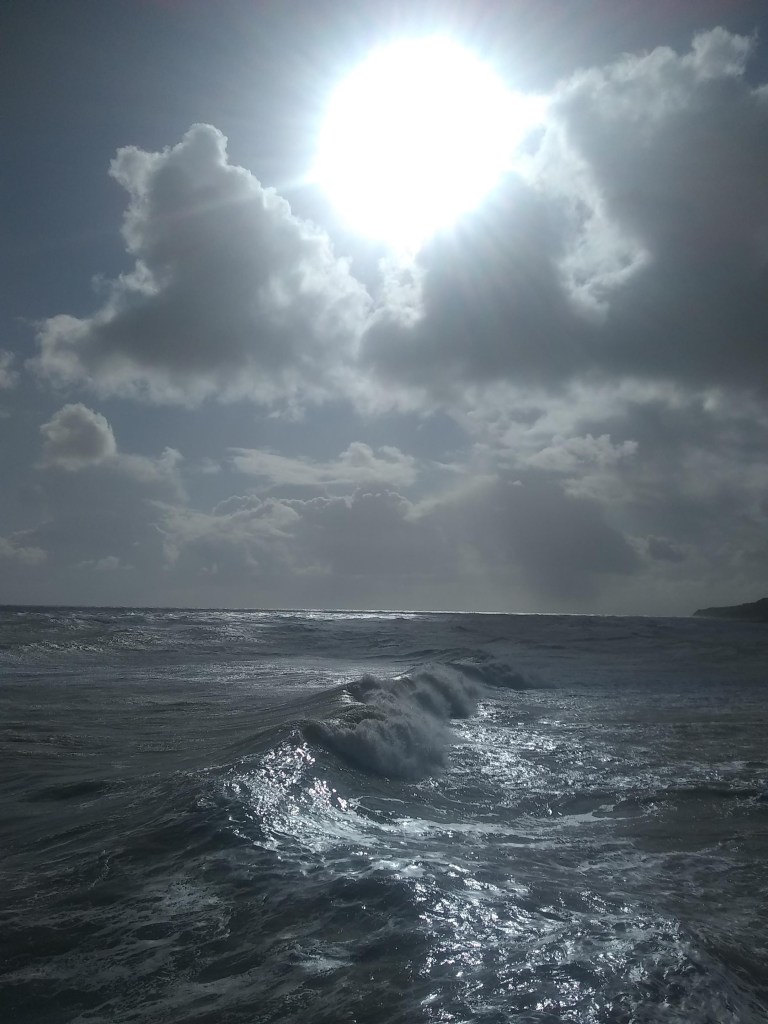
Night storm

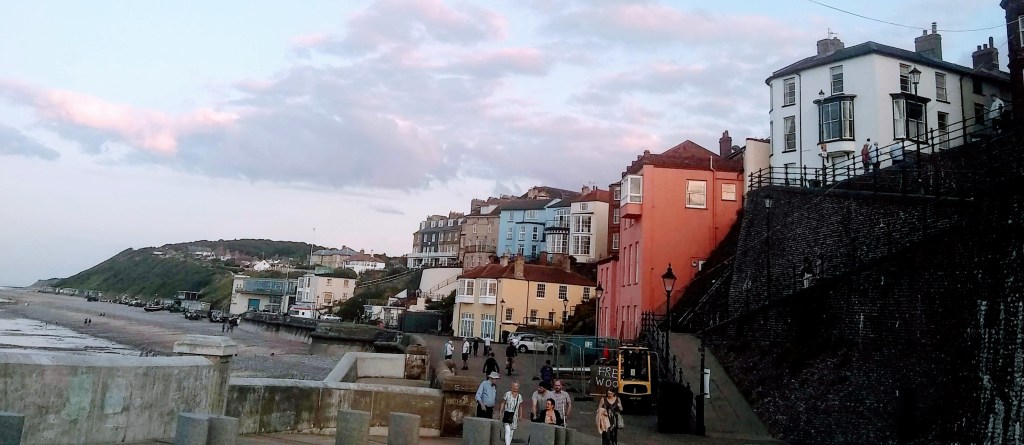
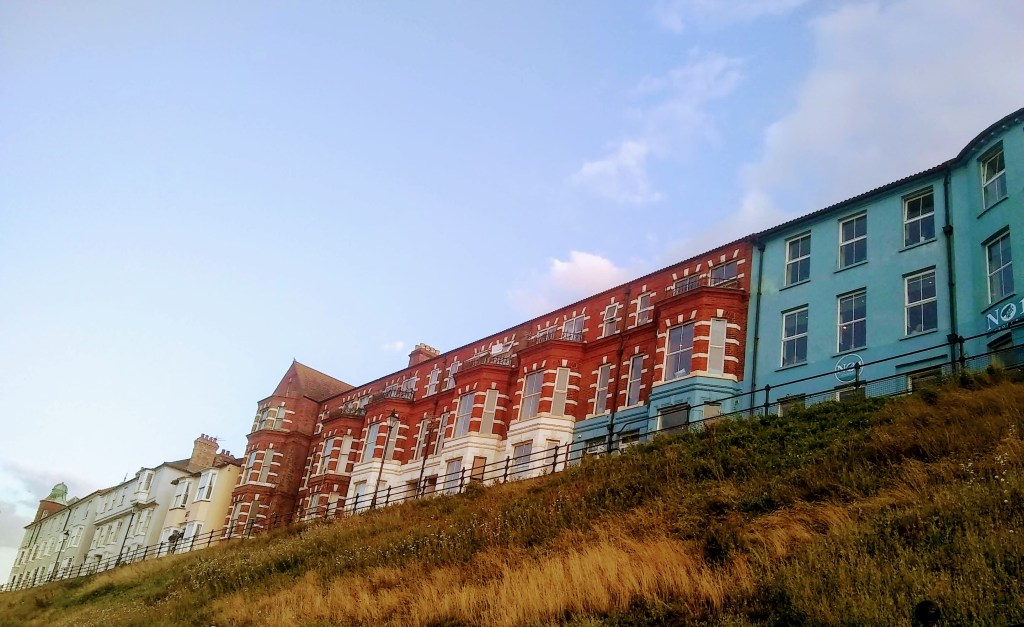
The thawing of the ice floes is said to have been been the cause of the rising sea levels back in the 1300s, subsequently having a dramatic effect on the east coast. Standing even now, on the cliff up above the promenade within reach of the buffeting seagulls, you feel the sublime power of the elements. Getting soaked by spray whilst huge waves dodge your camera shots and your hands freeze and shake as you watch awestruck the power of the waves. I have seen them reach up and beyond, licking the rooftops of the tall Victorian B&Bs on the cliff above the promenade. They currently stand straight-backed and steadfast, nobly accepting their certain fate. (Although, having said that, much scaffolding appeared this spring with repairs to buildings on the front and strengthening of the pier with giant steel girders, whilst bits of sea wall were propelled onto the promenade adding to the mix of sea rocks and sand). One can’t help but wonder how long Cromer will stand before it joins the fate of medieval Shipden -with Felbrigg perhaps becoming the new village by the sea.

The lost village of Shipden lies beyond the pier. Some remains have been seen at very low tide

‘On Lough Neagh’s bank, as the fisherman strays, When the clear cold eve’s declining, He sees the round towers of other days, In the wave beneath him shining ! ” Moore

After the sea took the lost village Shipden, desperate men were said to have slept on the sea shore waiting for low tide to dive and pillage- intent on clawing back what was once theirs. The church tower, nick-named ‘Church Rock’ remained standing 5.5 meters high above the sea bed, defying the depths -a taunting reminder of what once was, yet still standing- a defiant faith remaining in the face of merciless mother nature. If lucky, you may see at very low tides, just under the sand, long ridges of what were once walls and maybe a mass of flint which is what remains of the ‘Church Rock’ .(They blew it up eventually due to wrecking of ships on its tower).

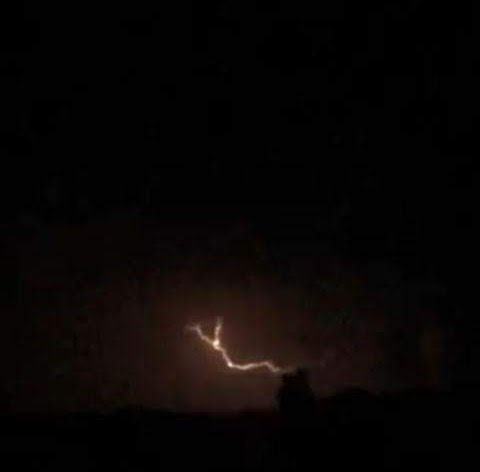
I have stood on the shaking pier, storm watching and have been chilled by more than the crackling storm; the booms of thunder joining the thunderous boom of the waves as they rocket and slap into the shore. I have heard moans howl through that inky black and visualise the frozen village paths far below littered with pieces of wrecks but the warning church bells of the drowned Shipden church so far remains for me at any rate, in the realms of folklore or the ears of the long dead.

A New Year’s Ghost tale: Cromer Ghosts part 1

Since hallows eve and dark hours lengthen with days of grey mist, a feeling I can’t quite define, seems to whistle and wend its way through the dark narrow streets where the tall houses stare at each other, casting a shadow -filled pathway below.

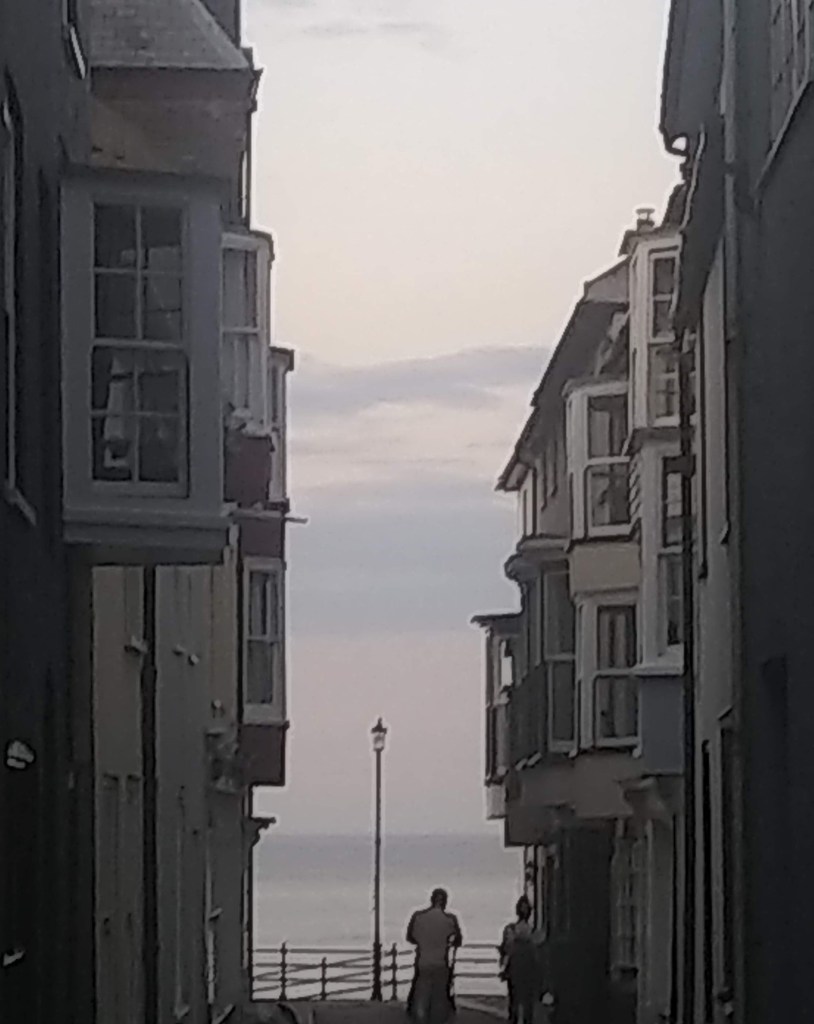
Jetty Street

But I know beneath my feet run smuggler’s tunnels and I know -because I have been told (and I have watched enough Scooby Doo episodes) – that in fact the stories of ghosts were inventions to keep uninvited interest away from the smuggled goods. I know these things rationally- but try telling my body not to shiver or to hold back my subconscious fears which chase me up the darkened clifftops away from the roar of the sea, towards my home.

‘We have our own ghosts’ I tell my bi-annual visitors blown in from smart city lives to access the lung of the Norfolk coastline. I know how odd I appear and join in the jests- the isolated Norfolk life I now lead immersed in the landscape, detaching me from reality – but we do. Have ghosts I mean. The screaming terror of the kids has died down and ‘a live and let live/die?’ attitude prevails. Husband nonchalantly reports the child ghost singing on the landing and scampering up the stairs and son is becalmed by my explanation that the ghost he saw looking at him over his bed is his guardian angel/spirit guide – pity the cat isn’t so easily reassured- she trembles and quakes when in that room. The orbs caught on camera also explain the cats’ weird staring at ‘nothing’ behaviours.

It seems there are indeed a few reported sightings of child ghosts in Cromer, (or Crowmere or Shipden or Shipden-juxta-Felbrigg -the names apparently Danish in origin). These reported sightings are unsurprising I suppose, as Cromer’s past superimposes itself on the present not least through the same recurring events. Over time the sea devours the coastline choosing Cromer to eat up lighthouses, grand houses, even whole villages. The church itself has existed 3 times – the first Shipden Church as recorded the Doomsday book, was washed away by the middle of the 14thC into the sea and the third is built on the remains of the second church.

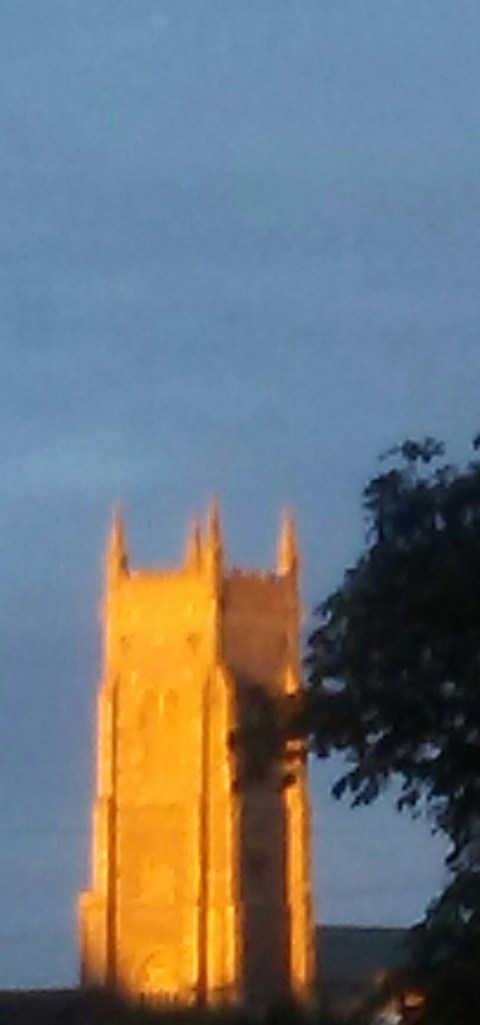
Cromer church

A ghost child is said to have appeared to a caretaker clearing away the rubble from the damage done to the church by a Luftwaffe attack. The girl child rose high above him trailing white robes, the poor petrified man’s ears filled with her eerie sighing and moaning as she slit her throat- red blood gushing and running down into her white clothing. The townspeople were glad when that particular path across the graveyard was closed for good. And so with many tales left yet to tell of this raw brutal and unforgiving landscape, it is little wonder that people of past times thought of piers and horizons as ‘gateways’ to other worlds.