Moving to North Norfolk, I agonised over purchasing a property inside the coastal erosion zone, fighting the romanticism of being on the edge, near enough to hear the sea’s roar whilst lying safe and snug in my bed. Only briefly was I a victim of nostalgia, having explored the North Norfolk coastline and witnessed the vulnerability of life on the raw edge of time. Finally commonsense prevailed -the thought of selling a property with a sea view as I myself begin to crumble into a ruin, was the decider. Seems I was wise. If you’re on the wrong side of the road further up the coast from Cromer, mortgages are sometimes hard to get and smart large detached Victorian properties teeter on the brink -the ‘For Sale’ sign pasted over with ‘For Let’.
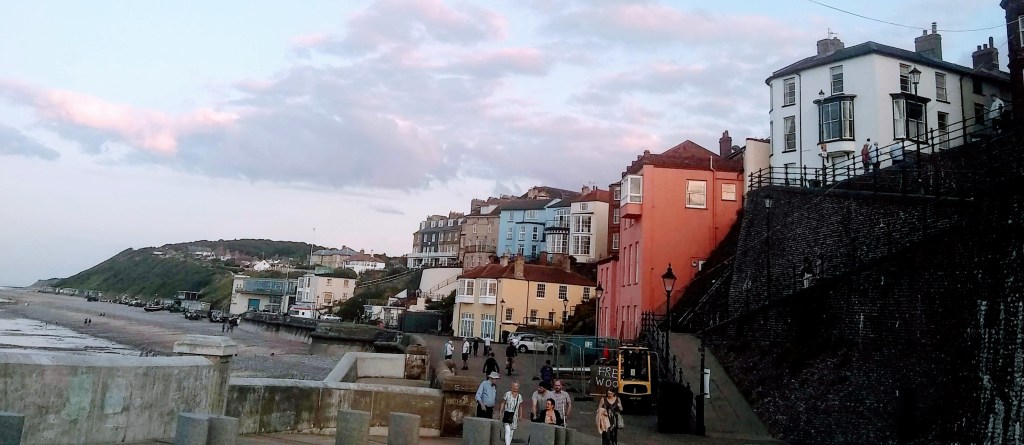
Coastal erosion is of course nothing new and my own ‘brief candle’ of existence is put into perspective when you take the long view of this changing coastline over time. Back in the day, Cromer used to be inland but now only one medieval property remains in the town -itself hidden behind layers of facades from later centuries. The remains of Shipden, the medieval village that used to face outwards across the North sea, is now home to the crabs and the lobsters 40ft beneath the crest of the waves.
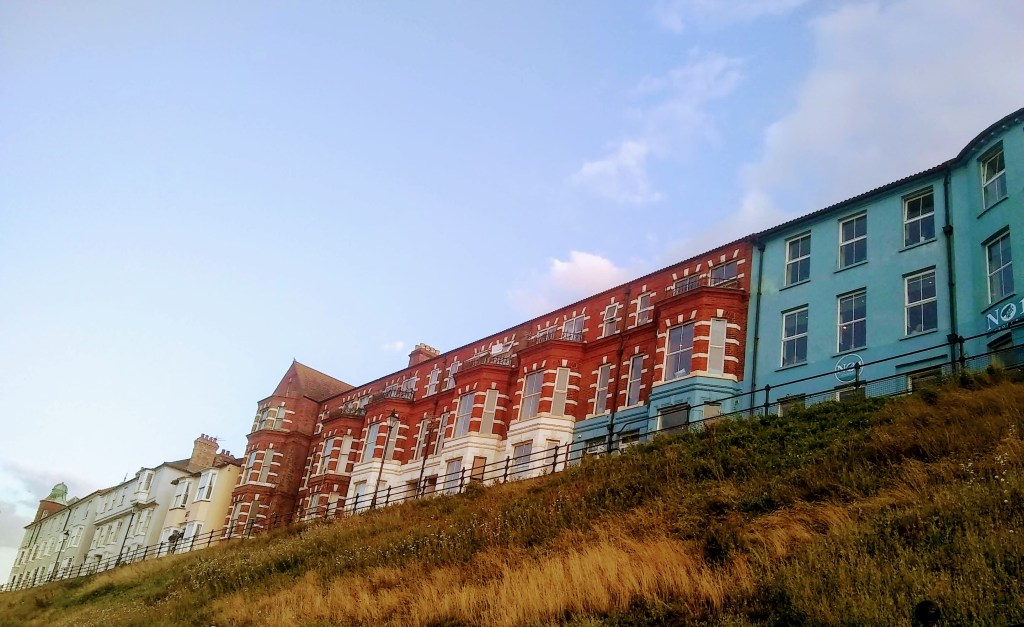
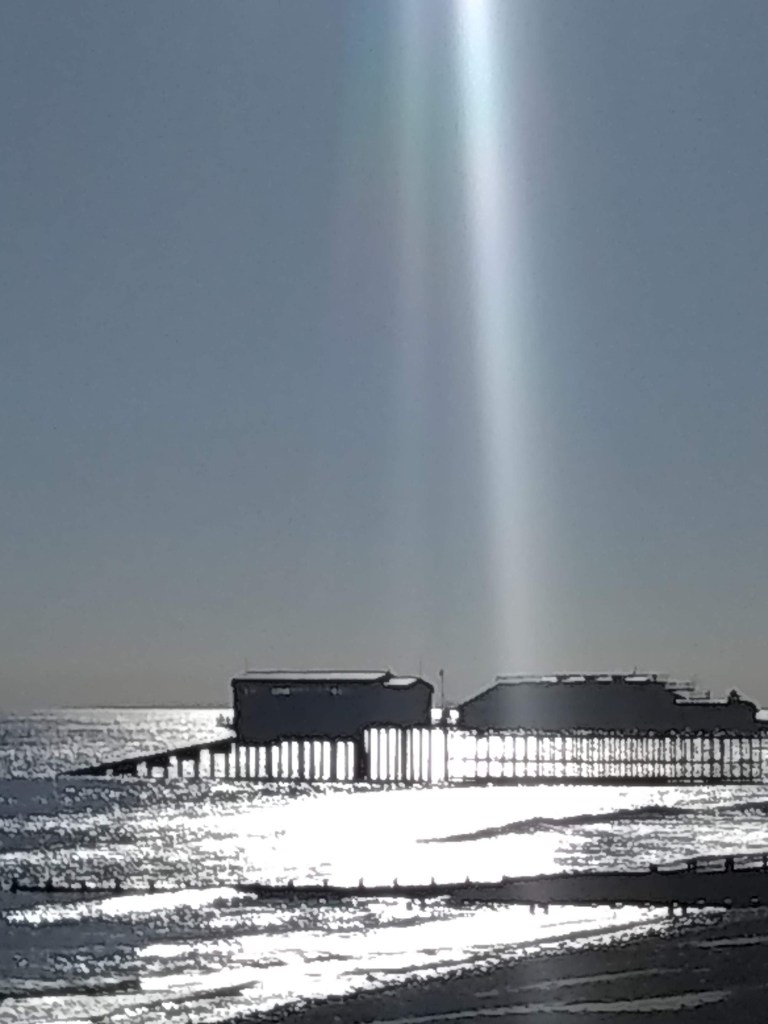
The thawing of the ice floes is said to have been been the cause of the rising sea levels back in the 1300s, subsequently having a dramatic effect on the east coast. Standing even now, on the cliff up above the promenade within reach of the buffeting seagulls, you feel the sublime power of the elements. Getting soaked by spray whilst huge waves dodge your camera shots and your hands freeze and shake as you watch awestruck the power of the waves. I have seen them reach up and beyond, licking the rooftops of the tall Victorian B&Bs on the cliff above the promenade. They currently stand straight-backed and steadfast, nobly accepting their certain fate. (Although, having said that, much scaffolding appeared this spring with repairs to buildings on the front and strengthening of the pier with giant steel girders, whilst bits of sea wall were propelled onto the promenade adding to the mix of sea rocks and sand). One can’t help but wonder how long Cromer will stand before it joins the fate of medieval Shipden -with Felbrigg perhaps becoming the new village by the sea.
‘On Lough Neagh’s bank, as the fisherman strays, When the clear cold eve’s declining, He sees the round towers of other days, In the wave beneath him shining ! ” Moore
After the sea took the lost village Shipden, desperate men were said to have slept on the sea shore waiting for low tide to dive and pillage- intent on clawing back what was once theirs. The church tower, nick-named ‘Church Rock’ remained standing 5.5 meters high above the sea bed, defying the depths -a taunting reminder of what once was, yet still standing- a defiant faith remaining in the face of merciless mother nature. If lucky, you may see at very low tides, just under the sand, long ridges of what were once walls and maybe a mass of flint which is what remains of the ‘Church Rock’ .(They blew it up eventually due to wrecking of ships on its tower).
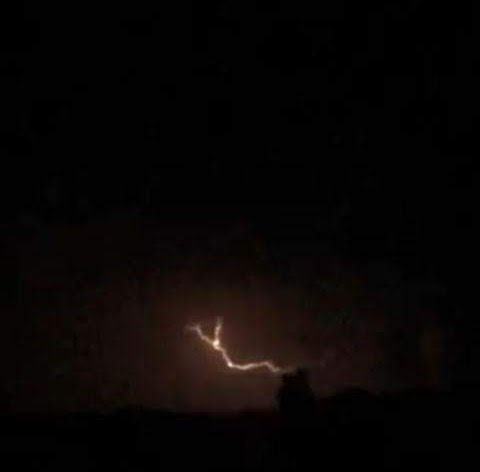
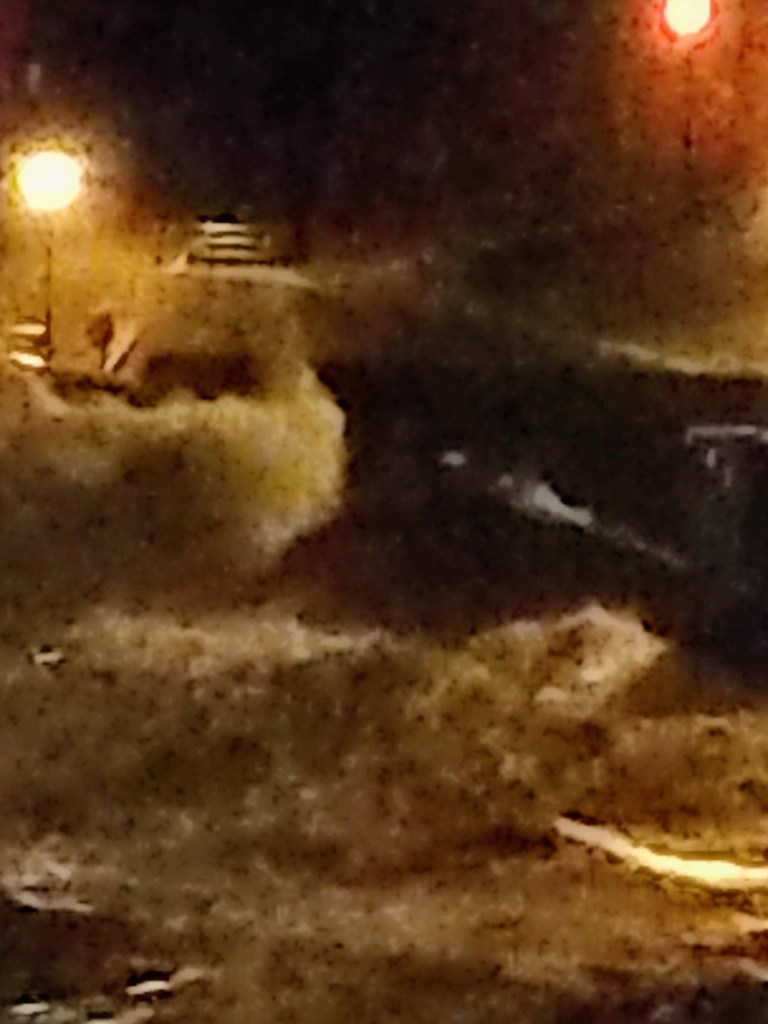
I have stood on the shaking pier, storm watching and have been chilled by more than the crackling storm; the booms of thunder joining the thunderous boom of the waves as they rocket and slap into the shore. I have heard moans howl through that inky black and visualise the frozen village paths far below littered with pieces of wrecks but the warning church bells of the drowned Shipden church so far remains for me at any rate, in the realms of folklore or the ears of the long dead.
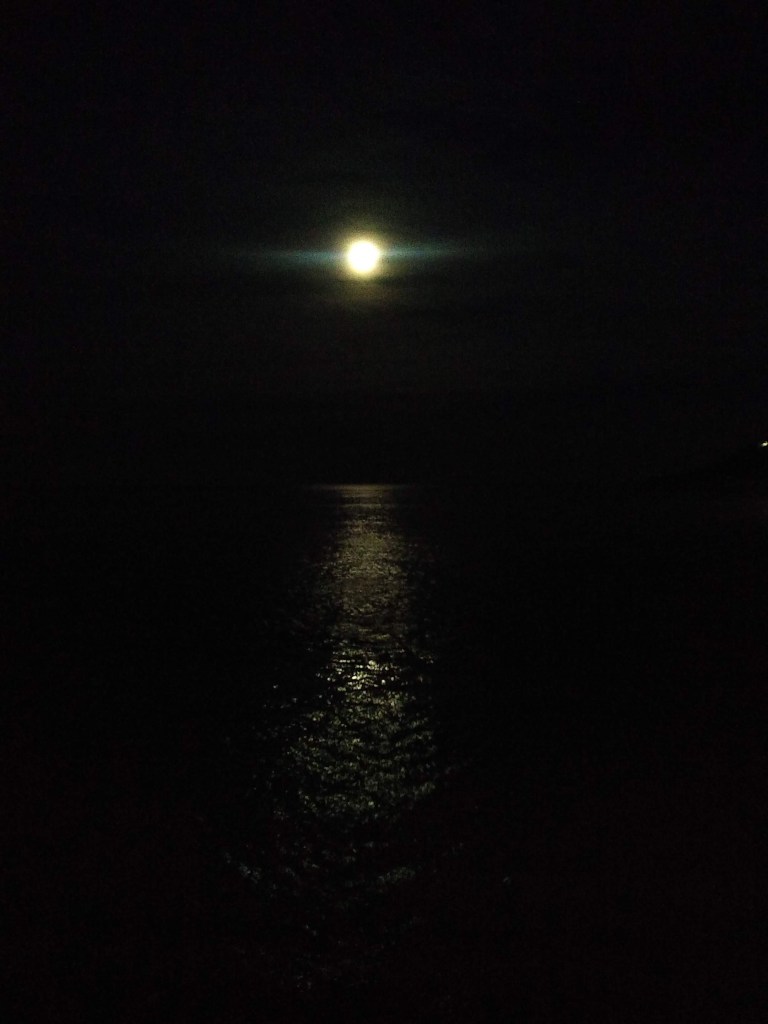
 Cromer Sea & Sound